Dental Veneers: An Overview for People Debating Getting the Procedure
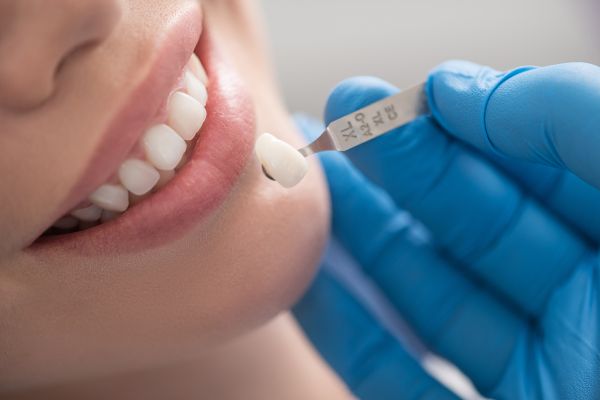
A dental veneers overview will be beneficial to help decide whether or not getting this thin wafer of porcelain permanently bonded to your teeth is a good or bad idea. First, let us define what veneers are. Dental veneers or dental porcelain laminates are custom-made, tooth-colored shells designed to cover your teeth. They help you achieve the look that you want by improving your smile. Because they look like natural teeth, dental veneers are used to correct various dental issues such as:
- Teeth stains that cannot be whitened by bleaching
- Chipped and worn teeth
- Crooked and misshapen teeth
- Uneven spaces
- A large gap between the upper front teeth
When you get veneers, it usually requires three trips to the dental clinic. First, you need to go in for a consultation. The other two visits are for construction and application. One or more teeth can undergo the veneering process simultaneously.
Pros and cons of dental veneers
It is important to know that getting veneers has its advantages and disadvantages. Since they are permanent, you need to carefully weigh the pros and cons before you get them. This dental veneers overview will help you decide if the procedure is for you.
Pros
Whiten your teeth. Veneers are an easy way to whiten your teeth for good. They are also stain-resistant, so you do not have to worry about discolorations in the future.
Fix cosmetic problems. Veneers are the perfect solution if you have slightly crooked or gapped teeth but do not want to wear braces. They will not fix the issue, but nobody will know. It will be your and your dentist’s little secret.
Replace damaged enamel. Veneers are an excellent treatment for damaged enamel. Plus, they are aesthetically pleasing.
Cons
Expensive. Their price varies on the dentist, location and number of teeth restored. One thing is for sure: They are expensive.
Increased sensitivity. You may be more sensitive to hot and cold temperatures for a few days after the procedure, but the sensitivity will go away.
Irreversible. Veneers are a permanent solution. They will keep your teeth and smile looking great for years to come.
As part of the dental veneers overview, it is vital that you know the things that you need to consider before and after getting veneers. Discuss all of your expectations and treatment options with your dentist for all of your dental care.
Before you get veneers
First and foremost, your teeth and gums must be healthy. Before your veneers are placed, visit your dentist to treat any disease or decay. Secondly, veneers are thin, and they may chip or break. If you clench or grind your teeth, they may not be the right solution for your dental issues. Thirdly, veneers may come loose over time. In this case, you may need new ones.
After you get veneers
After getting your veneers, you need to visit your dentist regularly to keep your gums and teeth healthy. These porcelain laminates can chip or break under pressure, so avoid biting your fingernails and chewing on hard objects. It may also take a few days before you get used to the feel of your veneers, but let the dentist know right away if your bite does not feel correct after they have been placed. Lastly, brush and floss each day to avoid getting cavities.
Dental veneers are an excellent way to hide discolored, crooked and gapped teeth. However, make sure you know the pros and cons before getting them. Remember, these laminates are permanent.
Contact our office today!
The best thing to do is make an appointment for a consultation with our dental office. We will help in guiding you to make the best decision to reach the goal you have for your teeth and oral health. Contact us today!
Request an appointment in our Grand Blanc office here: https://smilefreshdentalgrandblanc.com.
Related Posts
Having a root canal treatment for your tooth infection can give you relief. This condition can be debilitating. It can prevent you from performing your daily tasks. The discomfort can even hinder your nutrient intake. If you want to know how a root canal treatment can help you with your tooth infection, here are the…
Are you exploring tooth replacement options? An implant restoration offers a durable and natural-looking solution to tooth loss. Implant restoration replaces one or more missing teeth by surgically embedding a titanium post into the jawbone and securing a dental crown, bridge, or denture on top. While this procedure provides long-term benefits, there are several factors…
Root canal treatment might be recommended if you have a damaged, decayed, or infected tooth. The procedure is usually recommended when the damage to a tooth leaves its pulp chamber compromised. This is the sealed-off, innermost layer of a tooth that houses its blood vessels and nerves. The pulp chamber of a tooth being opened…
Oral surgery is an invasive procedure. A dentist will recommend this procedure if the damage is severe and correction must happen right away. This surgery may be an aggressive solution to a dental issue, but your dentist will not suggest it unless your comfort or health relies on it. If you want to know why…